
By Climate and Agriculture Reporter
Harare – A sharp cold snap across southern Africa has pushed tomato prices up in urban market particularly Harare, with traders warning of a looming shortage if supply from rural farms doesn’t recover, Express Mail Zim can report.
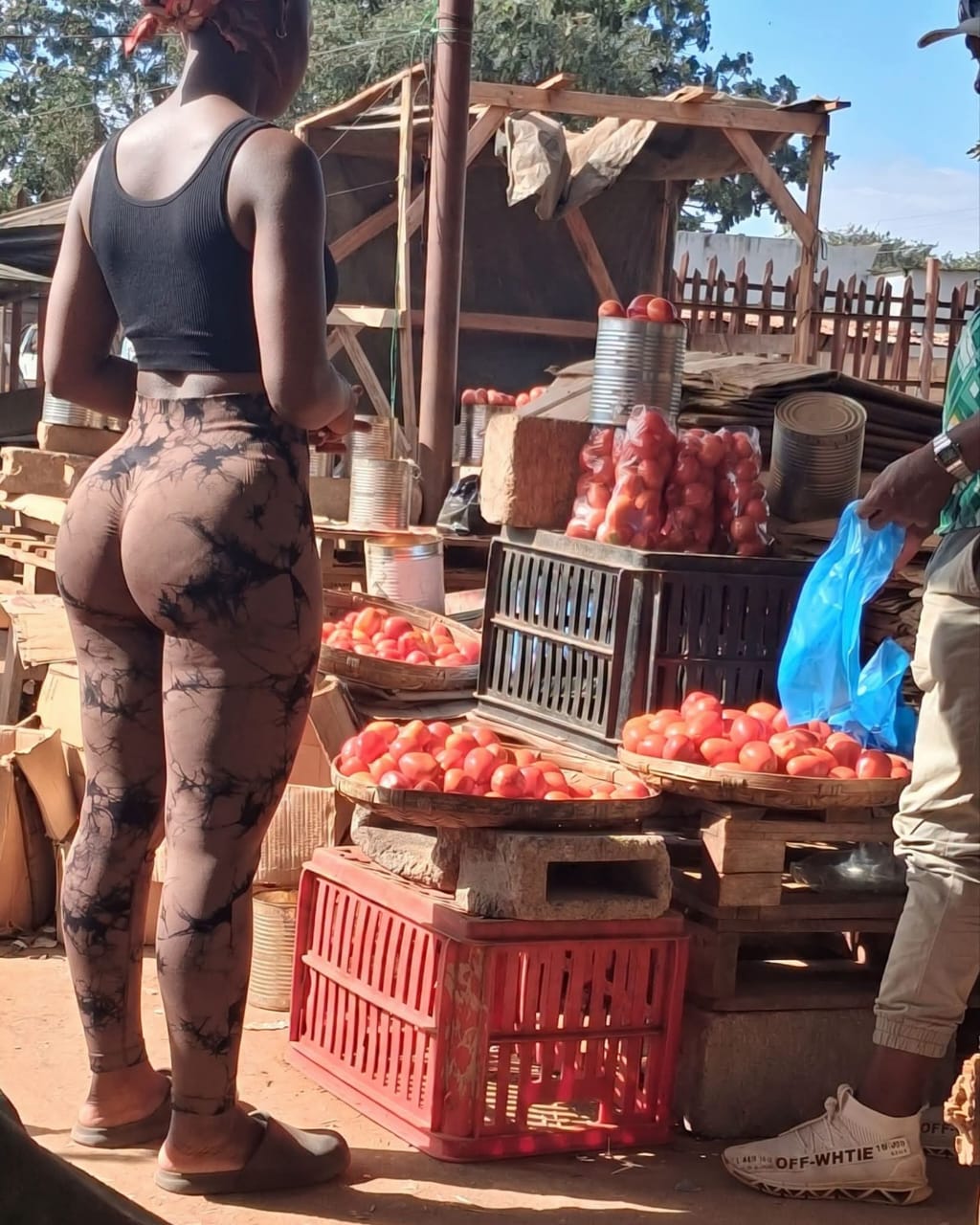
In Harare, Mbare and Mupedzanhamo markets prices are 25kg crate of tomatoes that sold for $12-$15 is now going for $28-$35. Retail prices have followed, with a single tomato selling for $0.30-$0.40 in some suburb up from $0.10 two months ago.
The main trigger is weather damage in key tomato-growing areas of Zimbabwe, South Africa and parts of Mozambique. Heavy rains and unseasonal cold at flowering and fruit-setting stages, reducing yields just as winter demand rises.
“Tomato plants are vulnerable to fungal infections and rot when exposed to heavy rain and cold,” said a senior agronomist at the Ministry of Lands, Agriculture.
“Many farmers cut back planting during winter because the risk of crop loss is high. When supply drops, prices rise.”
Traders at Mbare said daily arrivals have fallen by about 25-30% since mid-August.
“We usually get 600-700 crates a day from Murehwa, Marondera and Chinhoyi. Now it’s closer to 450,” said Tapiwa Moyo, a vendor who’s been at the market for 12 years.
Ministry of Agriculture weekly reports show tomato deliveries to Harare and Bulawayo markets down 22% week-on-week for the last 3 weeks.
“Zimbabwe’s main tomato season peaks March-May. Winter is a low-supply period anyway,so price spikes are seasonal. The current spike is steeper than the 5-year average for September, according,” said an official from ZimTrade.
South Africa, which normally fills the gap, is also facing reduced output after cold weather in Limpopo and Mpumalanga limiting cross-border supply.
So “looming shortage” applies to urban wholesale markets if cold weather persists and imports don’t ramp up. Rural areas with greenhouse production haven’t seen the same squeeze.
For urban households, tomatoes are a daily staple in relish and stews. The price jump is forcing some to ration or switch to tomato paste.
“I used to buy 5 tomatoes for $1. Now I buy one for $0.40 and make it last,” said Rudo Ncube, a Harare nurse shopping in Glen View.
Food economists warn of second-round effects.
“Transport and fertilizer costs are already high. When you add weather shocks, you get a pass-through to other vegetables,” said Dr. Timothy Njagi, an agricultural economist. “Households should expect higher food inflation through October if supply doesn’t stabilize.”
Farmers who use irrigation and tunnels say they can start harvesting again in 3-4 weeks, which should ease prices by late September. But the Meteorology Department forecasts more cold fronts into mid-September, which could delay recovery.
‘ Expect high prices to stick for the next 2-3 weeks, and check for signs of spoilage if buying in bulk,” said a local agronomist.
He added that winter weather has reduced tomato supply to urban markets and pushed prices up 80-130% in Harare.
“Shortage risk is real for wholesale markets if cold persists and imports remain low.”
