
By Nigel Pfunde
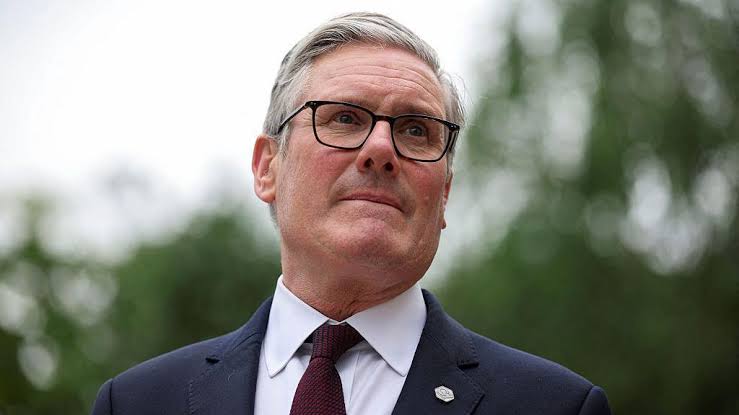
LONDON — British Prime Minister Sir Keir Starmer announced his resignation on Monday, bringing an abrupt end to a premiership that lasted less than two years and was marked by mounting internal party dissent and diminishing public support.
The announcement was a ‘writing on the wall’ following days of intense pressure within the Labour ranks, which reached a breaking point following the decisive victory of Greater Manchester Mayor Andy Burnham in the Makerfield by-election last week.
Starmer stated that he will remain in office until a new party leader is selected through an internal contest, with a transition of power expected before Parliament reconvenes in September.
While the world is watching Starmer’s departure, for many in Harare is also watching with a ‘jawl eye’ as it serves as another reminder of the shifting political landscape in London that has historically influenced the bilateral relationship between the two nations.
The history of UK Prime Ministers and Zimbabwe is a long and fraught narrative that has shaped the diplomatic and economic trajectory of our country since the dawn of independence in 1980 when Bob Marley came to party at our Uhuru jamboree at Rufaro Stadium .
The relationship was perhaps at its most cooperative during the late 1970s and early 1980s. Margaret Thatcher (Iron Lady) ’s administration played a pivotal role in the 1979 Lancaster House Agreement, which effectively ended the bush war and paved the way for Zimbabwe’s independence in 1980. For the first two decades, a pragmatic, if sometimes uneasy, working relationship existed between London and Harare, rooted in the commitments made during those transition talks.
However, the dawn of the 21st century saw a drastic pivot in relations. Under Tony Blair, the UK government moved to withdraw financial support for land reform, citing concerns over transparency and governance.
That was the time the relationship was ar an all time low with forgotten musicians like Tambaoga even singing songs equating Blair to a pit latrine.
“The Bleya (Blair) that I know is a toireti).” he sang in a booming voice.
This shift triggered a semi -permanent deterioration in diplomatic ties, with the late former president Robert Mugabe’s dispensation characterizing the move as a betrayal of colonial-era promises.
The subsequent two decades were defined by a cycle of targeted sanctions, diplomatic standoffs, and a freezing of high-level engagement that persisted long after Blair left office.
Subsequent Prime Ministers have navigated this legacy with varying degrees of success. While there have been sporadic efforts toward re-engagement in recent years with the Second Republic led by President Mnangagwa pushing hard in line with its policy of re- engagement, but the relationship remains heavily influenced by the shadow of the early 2000s.
As the UK prepares for yet another transition in leadership, Harare is watching closely. The departure of Sir Keir Starmer brings the count to seven Prime Ministers in a decade, a period of political volatility in London that shows the challenges Harare faces in maintaining consistent diplomatic channels with its former colonial power.
