
Staff Reporter
For years, the rhythmic squeak of empty buckets and the shuffle of tired feet before dawn was the only soundtrack Martha Dube knew.
Today, she turns a brass tap in her kitchen and dances to a different beat: the gush of clean, affordable water.
“I used to wake up at 3 AM to fight for a spot at the communal borehole,” says Dube, 58, a mother of five. “Now, I wake up, swipe my card, and water sings from my tap. It is not just water, iti s life that has been returned to us.”
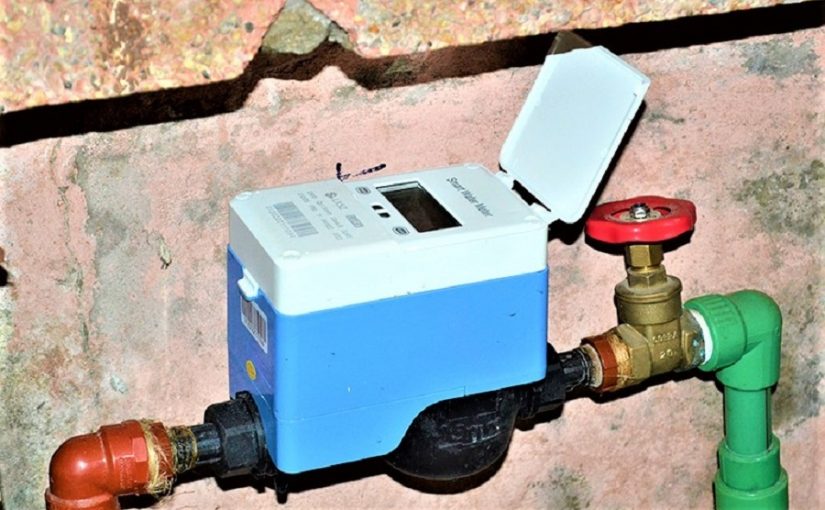
That return is courtesy of a bold partnership between Helcraw Private Company and the Harare City Council, which has rolled out prepaid water meters across the long-neglected suburb of New Malborough.
The initiative, aimed at modernising water availability, has turned a parched, frustrated community into a model of reliable access.
Before the meters, residents endured weeks of dry pipes, burst mains left unfixed, and illegal connections that drained the system dry.
Those who could afford it paid extortionate prices to water vendors, often for dirty, unsafe supply.
Now, a simple top-up at local vending stations puts clean, treated water directly into household tanks.
“We realised the old model was broken. Debt was high, leaks were everywhere, and residents had zero leverage,” explains a Helcraw project supervisor. “Prepaid meters give control back to the customer. You pay for what you use, no bills, no disputes, no dry months.”
The transformation has been swift. Burst pipes are repaired within hours because every liter now generates revenue for maintenance. Illegal connections have plummeted.
And for the first time in a decade, New Malborough’s children are drinking clean water from home taps, not fetching it from muddy puddles.
“I have a garden again!” beams Chenai Moyo, 34, pointing to thriving tomatoes and kale. “My vegetables used to die. Now I water them every evening. That’s my small business revived, all because of a little plastic meter.”
The jubilee is palpable on Every Street, where residents gathered last Saturday to sing and share tea—made from their own tap water. Elderly grandmothers, once forced to haul 20-liter jerrycans, now sit in shade with cups in hand.
“The council and Helcraw have washed away our shame,” says Kudzai Ndlovu, 45, a shop owner. “We were a forgotten place. Now we feel like real citizens. Water is dignity—and we finally have it.”
While some critics worry about affordability for the poorest, the partners have introduced a lifeline tariff and free emergency credits. For now, though, New Malborough is simply enjoying the flow.
As dusk falls, Martha Dube fills a kettle and laughs. “No more queueing. No more bribes. Just water, on my terms. That’s modern. That’s freedom.”
And across the suburb, taps keep running. The water of life has finally come home.
